
From Concert Chaos to Online War: How a K-Pop Night Sparked a Southeast Asia vs Korea Showdown
 Dante Ulanday - Celebrity News Moderator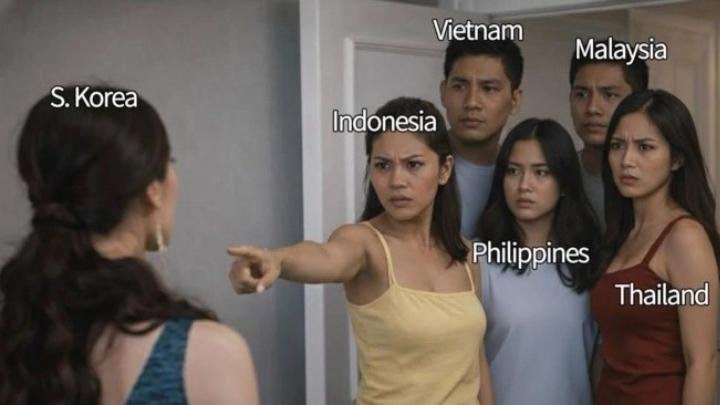
What started as a routine K-pop concert in Kuala Lumpur has exploded into a full-blown digital clash between Southeast Asian fans and South Korean netizens dubbed as Knetz. Over the past few days, timelines on X and Threads have turned into battlegrounds, with insults flying across borders and entire communities dragged into the fray.
The spark? A controversy during South Korean band Day6’s recent concert in Malaysia. Local attendees called out several Korean fansites for allegedly sneaking professional “telescopic” cameras into the venue despite strict no-pro camera rules as indicated on the concert tickets. In K-pop culture, fansites are well-known for capturing high-quality images of idols at concerts and public events. While admired for their dedication, they operate independently and are expected to follow event regulations — something Malaysian fans argued had been ignored.
When one video surfaced showing the face of a fansite operator, the backlash intensified. Korean users criticized the act of exposing a private individual, saying the fansite had already apologized and should not have been publicly shamed. Malaysian fans countered that rules in the host country must be respected, especially at a paid event with clearly stated restrictions.
From there, the debate spiraled quickly. What began as a disagreement about concert etiquette turned into a broader exchange of cultural criticisms. Some Korean commenters accused Southeast Asian fans of disrespecting Korean culture, even telling them to stop consuming K-pop content if they could not appreciate its norms. Southeast Asian users fired back, pointing out that international fans play a major role in K-pop’s global success through streaming, merchandise purchases, and sold-out shows across the region.
As tensions escalated, other Southeast Asian countries joined the conversation. Users from Indonesia, the Philippines, Thailand, and Vietnam stepped in to defend Malaysia. When a Korean user mocked No Na’s (an Indonesian girl group) music video production, the response was swift and unified. Southeast Asian netizens rallied together, emphasizing regional pride and solidarity.
The exchange soon devolved into more personal and national attacks. Insults targeted physical appearance, economic conditions, societal issues, and even sensitive topics such as suicide rates and plastic surgery. What had begun as a fandom dispute evolved into a broader cultural conflict fueled by social media algorithms and viral outrage.
Interestingly, many participants in the online clash are now unaware of its origin. The original issue — cameras at a concert — has been overshadowed by larger arguments about respect, identity, and fandom power dynamics. Comment threads have multiplied across platforms, with new users joining without context, amplifying the hostility.
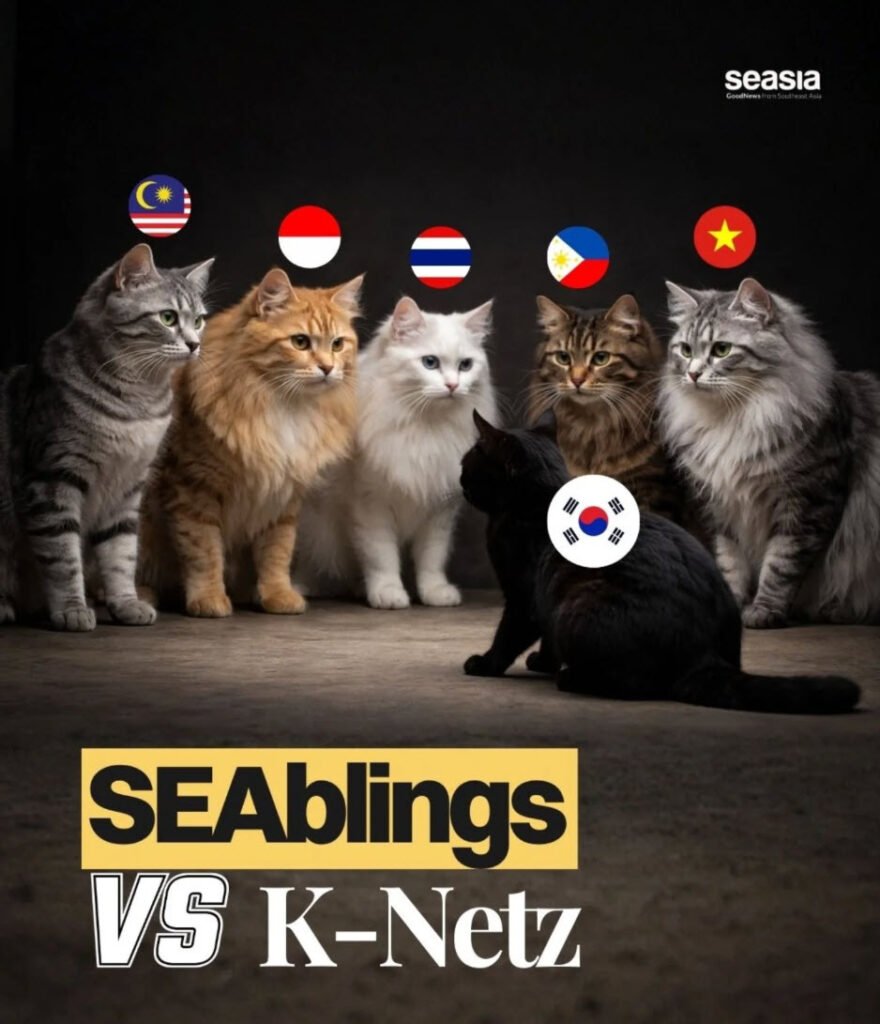
Despite the negativity, some Southeast Asian users have pointed out a surprising takeaway: unity. Many have noted how quickly different SEA countries defended one another, framing the situation as siblings standing up for each other. While the region may have its internal differences, this episode demonstrated a shared sense of pride and unity when challenged externally. They are now dubbed as “SEAblings,” a word-play on “siblings.”
The incident also highlights the evolving nature of global fandom. K-pop is no longer confined to South Korea; it is a multinational cultural phenomenon sustained by fans worldwide. As the industry expands, so do the expectations of mutual respect between domestic and international audiences. When misunderstandings arise, they can easily spiral beyond their original scope.
For now, the online tension shows little sign of fully fading, though some voices on both sides have called for calm. In a digital age where minor disputes can quickly become cross-border conflicts, this episode serves as a reminder of how interconnected — and reactive — global fan communities have become.
All from one concert night that was supposed to be about music.