Lessons from the Ground: Building More Resilient Communities
 Dante Ulanday - Celebrity News Moderator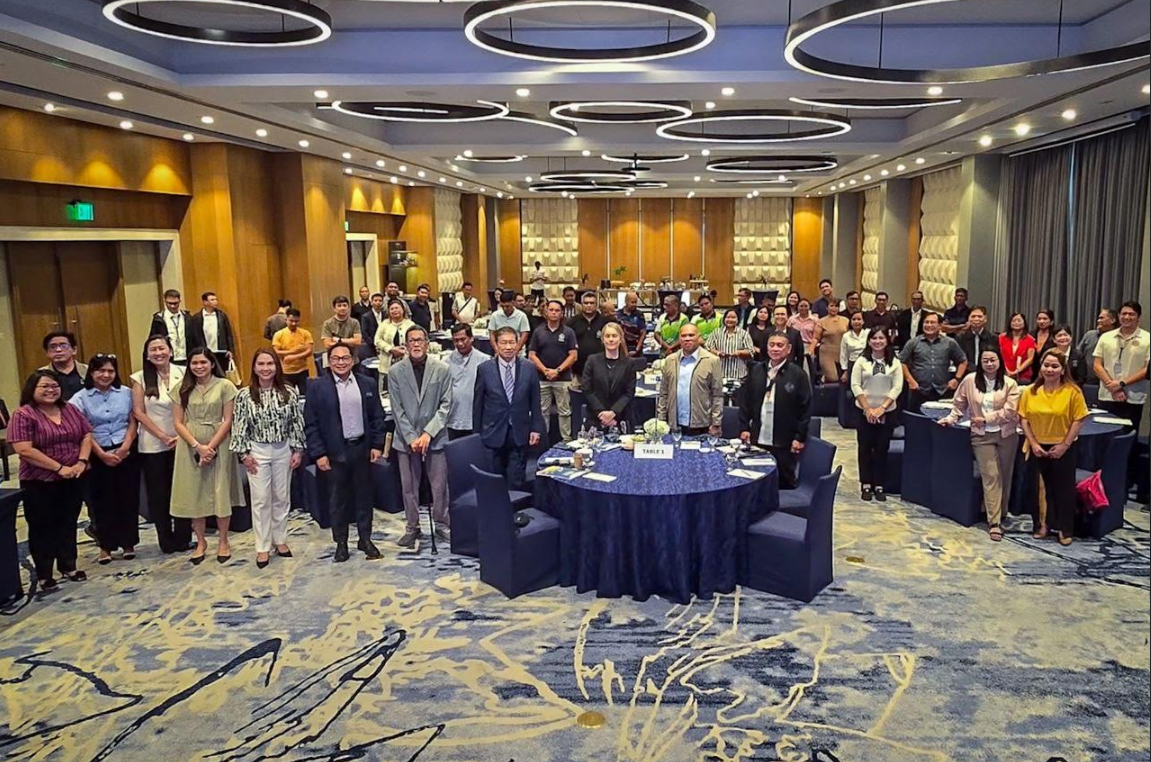
How Project REACHED strengthened emergency communications and preparedness
After three years of strengthening emergency communications in some of the country’s most disaster-prone communities, PLDT and Smart Communications, Inc. (Smart), alongside the Philippine Disaster Resilience Foundation (PDRF), marked the culmination of Project REACHED (Resilient Emergency Communications for Enhanced Disaster Response), a program that has helped enhance local disaster preparedness and response capabilities.
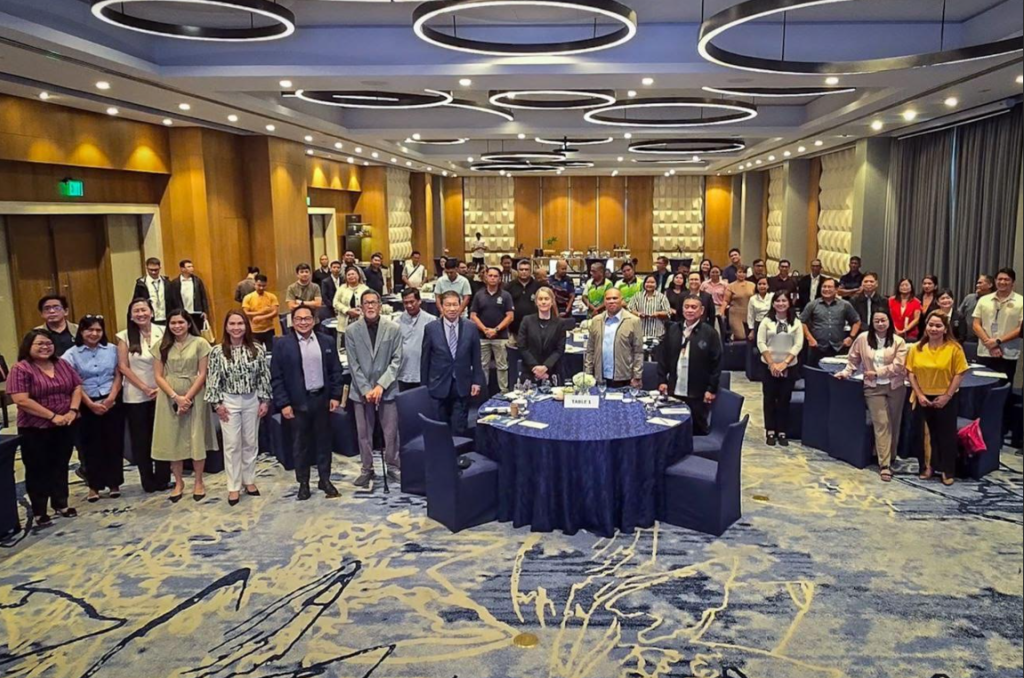
Funded by a grant from the Australian Government and implemented by PDRF, Project REACHED equipped local government units with training and communication tools including PLDT and Smart Ligtas Kits, to support coordination and response efforts during emergencies. At the Project REACHED culmination event, government partners, disaster responders, and community stakeholders from project sites in Borongan, Eastern Samar; Virac, Catanduanes; Santa Ana, Cagayan; and Butuan City shared lessons and experiences in strengthening emergency communications in vulnerable communities.
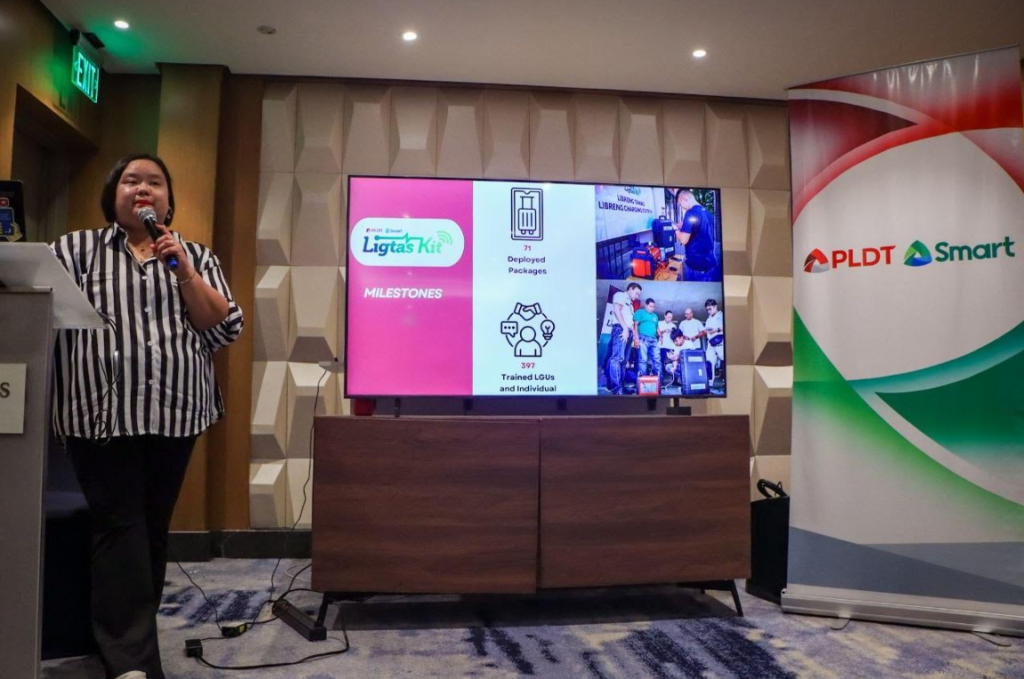
As one of the program’s key partners, PLDT and Smart led the Ligtas Kit workshop, demonstrating how local responders can use the communications tool to maintain coordination during emergencies. Developed by PLDT and Smart, the Ligtas Kit is a portable, all-in-one emergency communications package which includes a power station, solar panel, LTE pocket Wi-Fi, smartphone, crank radio, rechargeable megaphone, flashlights, and whistles, all housed in a durable hard case designed for field conditions. Each deployment is paired with Emergency Communications Training to help local responders maximize the equipment’s use during emergencies.
In his welcome remarks, PDRF Center Director Arnel Capili highlighted both the program’s impact and PLDT and Smart’s contribution to it. “PLDT and Smart are very strong partners of PDRF,” he said. “The Ligtas Kit provides communities the redundancy and ensures that all the relevant communication equipment are available for them.”
That additional communications capability proved its value during actual emergencies. Thomas Camposanes, Provincial Disaster Management Officer of Eastern Samar, recalled how the equipment came through during the magnitude 6.1 earthquake that struck the province on May 13. “When the ground shaking happened, there was a sudden blackout all over Eastern Samar,” he said. “We lost communication, but our Project REACHED training enabled us to communicate immediately, and municipalities were able to report where there was damage, whether roads and bridges were passable.”
The impact resonated across all project sites. Jerome D. Cuanico of Borongan’s City DRRMO noted that communities once reached through paper communications and in-person visits can now be contacted with a single call. In Butuan City, Mysl Angeli Sumalinog of the City DRRMO shared that the LGU is now expanding the model to remaining barangays using its own funding. In Agusan del Norte, Provincial DRRM Officer Erma Suyo shared that the program inspired a formal communications plan, legitimized through the Sangguniang Panlalawigan.
For Stephanie Orlino, AVP and head of Stakeholder Engagement at PLDT and Smart, Project REACHED demonstrates the value of combining technology, training, and partnerships to strengthen disaster preparedness. “Equipping LGUs with both the tools and the training means that when a disaster strikes, they are not starting from zero — they are ready.”
To date, 74 Ligtas Kits have been deployed nationwide under PLDT and Smart’s #KonektedforResilience advocacy, which promotes disaster resilience before, during, and after emergencies. The initiative aligns with the United Nations Sustainable Development Goals on Sustainable Cities and Communities (SDG 11) and Climate Action (SDG 13)